

Key Takeaways
- Manufacturers ask MSPs “why don’t systems work together?” — that’s a transformation question
- Disconnected accounting, spreadsheets, and manual quoting create hidden drag
- MSPs can bridge infra and operations without building a dev team from scratch
- Strategic partnership models let you offer ERP/CRM integration and workflow automation white-label
- Owning the transformation conversation moves you from support ticket to strategy partner
Manufacturers across North America are under increasing pressure to modernize their operations. They are expected to produce faster, track inventory more accurately, reduce errors, and integrate systems across production, accounting, and logistics.
Most manufacturers know they need to improve their technology—but they don’t know where to start.
This is where MSP digital transformation for manufacturers becomes essential.
Managed Service Providers are already trusted advisors for many manufacturing companies. You manage their infrastructure, networks, backups, and security. But today’s manufacturers need more than operational IT support. They need partners who can guide technology modernization, automation, and the adoption of connected workflows.
The question is no longer whether manufacturers need transformation.
The question is who will provide it.
Manufacturers Need Digital Transformation Partners
Manufacturing companies are increasingly asking questions that go beyond traditional IT support:
- How can we eliminate manual data entry between systems?
- Can we automate order processing from email to ERP?
- How do we connect accounting software with production and inventory systems?
- How do we track equipment, materials, or products across multiple locations?
These are digital transformation challenges, not simple help desk requests.
Unfortunately, many manufacturers still operate with disconnected systems, such as:
- Accounting in QuickBooks or Sage
- Production tracked in spreadsheets
- Inventory maintained in separate applications
- Quoting and order entry completed manually
The result is wasted time, costly errors, and limited visibility into operations.
This growing complexity is why MSP digital transformation for manufacturers is becoming a strategic opportunity.
The Growing Technology Gap in Manufacturing
Manufacturing technology expectations are evolving quickly. According to Deloitte’s Manufacturing Industry Outlook, manufacturers are investing heavily in digital transformation initiatives to improve efficiency, increase operational visibility, and modernize production environments. Source
As manufacturers invest in connected systems and smarter workflows, they need technology partners who understand both infrastructure and operations.
For MSPs serving manufacturing clients, this creates a major opportunity to expand their role beyond traditional IT support.
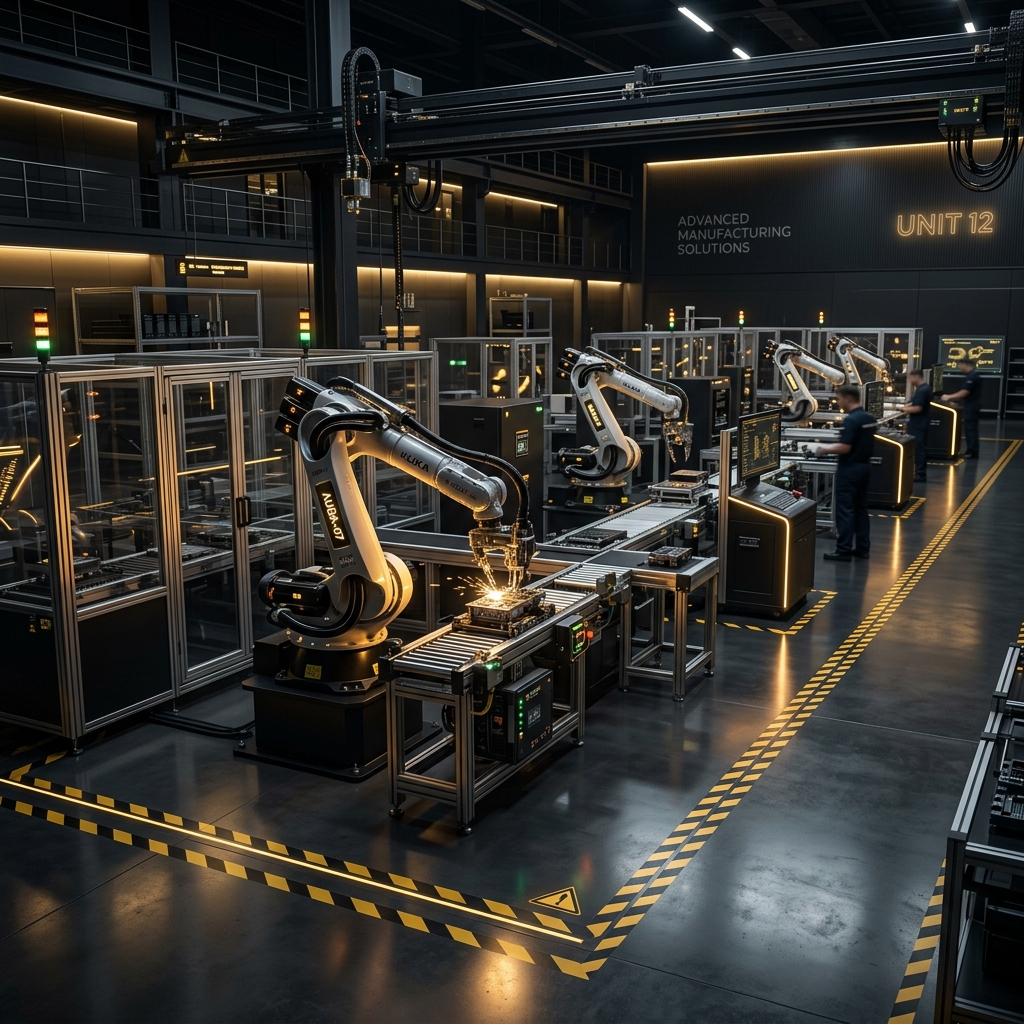
MSPs Can Be the Bridge to Modern Manufacturing
MSPs are already embedded inside manufacturing organizations. You understand your clients’ networks, systems, and technology environments better than most vendors.
Manufacturers often turn to their MSP first when they want to:
- Add new software
- Integrate systems
- Improve workflows
- Automate processes
This naturally positions MSPs to guide manufacturers’ digital transformation.
However, delivering these solutions often requires skills beyond traditional MSP services. Building custom integrations, automation platforms, or connected operational systems typically requires specialized development expertise.
Why Strategic Partnerships Matter
Rather than building a full development team internally, many MSPs expand their capabilities through strategic partnerships.
By partnering with development and integration specialists, MSPs can deliver:
- Manufacturing system integrations
- Workflow automation
- ERP and accounting system connections
- Custom operational software solutions
This allows MSPs to deliver MSP digital transformation for manufacturers without expanding internal teams or taking on unnecessary delivery risk.
From IT Support to Technology Leadership
Manufacturers today are not just asking for infrastructure support.
They want help with:
- Modernizing outdated workflows
- Connecting disconnected systems
- Automating repetitive tasks
- Improving operational visibility
MSPs who embrace digital transformation for manufacturers move beyond reactive support and become strategic technology partners.
This shift strengthens client relationships and opens new opportunities for higher-value services.
The Opportunity for MSPs Serving Manufacturing Clients
Manufacturing companies are under pressure to operate faster, smarter, and more efficiently than ever before.
They need partners who can help connect systems, automate workflows, and modernize operations.
MSPs who recognize this shift are uniquely positioned to lead MSP digital transformation for manufacturers and help their clients move from disconnected technology environments to integrated operational platforms.
For MSPs willing to evolve, this represents one of the most significant opportunities in the manufacturing technology market today.
Instead of saying:
“That’s outside of our scope.”
You can say:
“Yes, we can help with that.”
Enjoyed this insight?
Explore how Letter B turns the same challenge into an operational win.
Common questions about msp growth & integration
They see the friction daily: orders rekeyed from email, inventory in spreadsheets, accounting that lags operations. They naturally ask their trusted MSP first, even though the fix is workflow and integration, not standard support.
Related insights
View all
How Letter B Helps MSP's Deliver Digital Transformation
MSP digital transformation is becoming essential as manufacturing clients demand more than infrastructure and support. At Letter B Global Te...
Read article
QuickBooks Integration for Manufacturers: Why Growing Shops Are Connecting Systems, Not Replacing Them
QuickBooks is one of the most widely used accounting tools in manufacturing. It is familiar, affordable, and effective at handling core fina...
Read article
The MSP Sytem Integration Modern Businesses Expect
Modern businesses no longer think in silos. In 2026, clients expect their MSP to understand how systems interoperate across order intake, ER...
Read article